Livelihoods
Practical training for local jobs and self-employment, including trades, hospitality, beekeeping and mushroom farming.
WCCF helps families around Bandhavgarh access specialist healthcare. Our livelihood programmes are in the planning phase. These include beekeeping in Bandhavgarh, Sanjay Dubri and Pench, and mushroom farming in Pench.
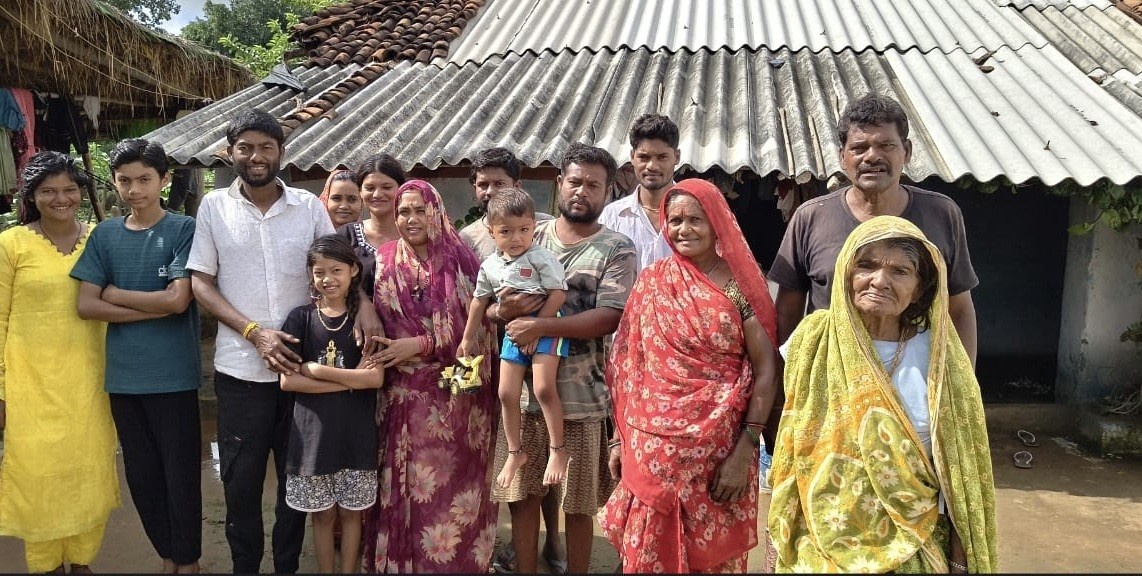
WCCF has helped people from the Bandhavgarh landscape access specialist hospital treatment, including cancer care and treatment for a serious condition affecting mobility. The Foundation also provides monthly epilepsy medicine to a villager, supporting continuity of essential care.
Our healthcare support is not limited to particular diagnoses. We aim to facilitate access to appropriate tertiary care when needed, while the planned centre will provide primary healthcare locally.
Practical training for local jobs and self-employment, including trades, hospitality, beekeeping and mushroom farming.
Learning spaces and opportunities for children, young people and adults, supported by partnerships and local participation.
Field learning, research, awareness and shared stewardship that recognise both ecological needs and everyday community realities.
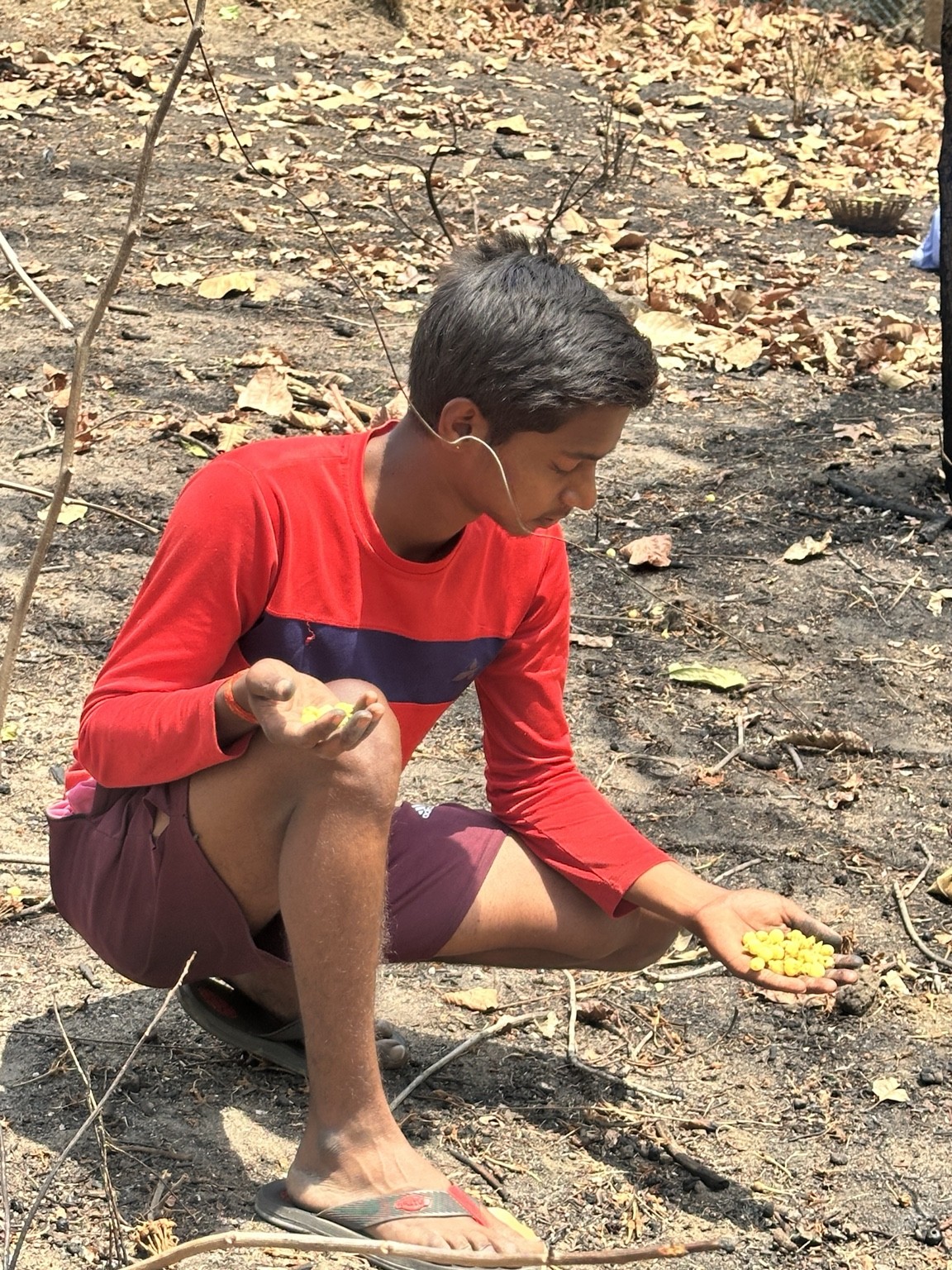
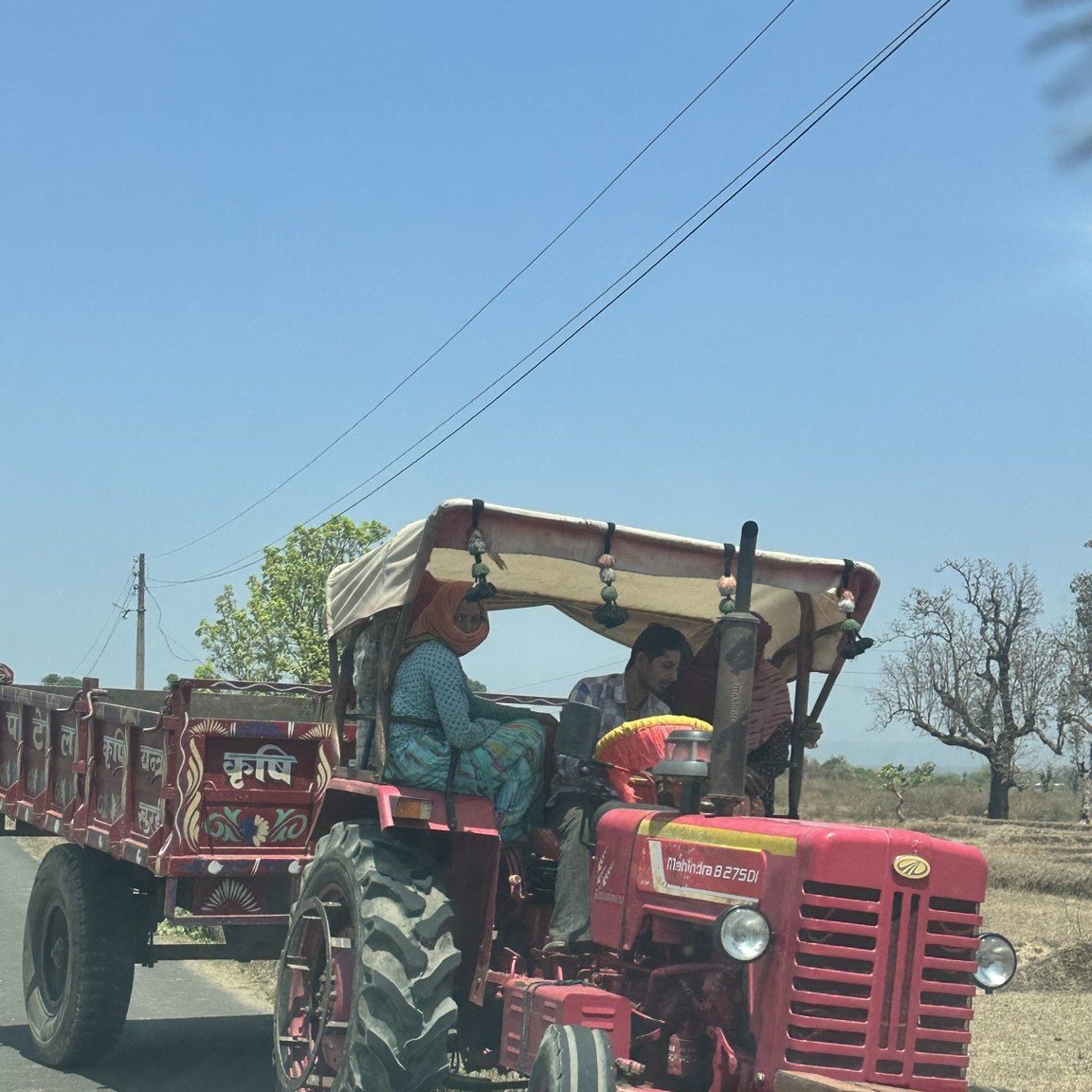
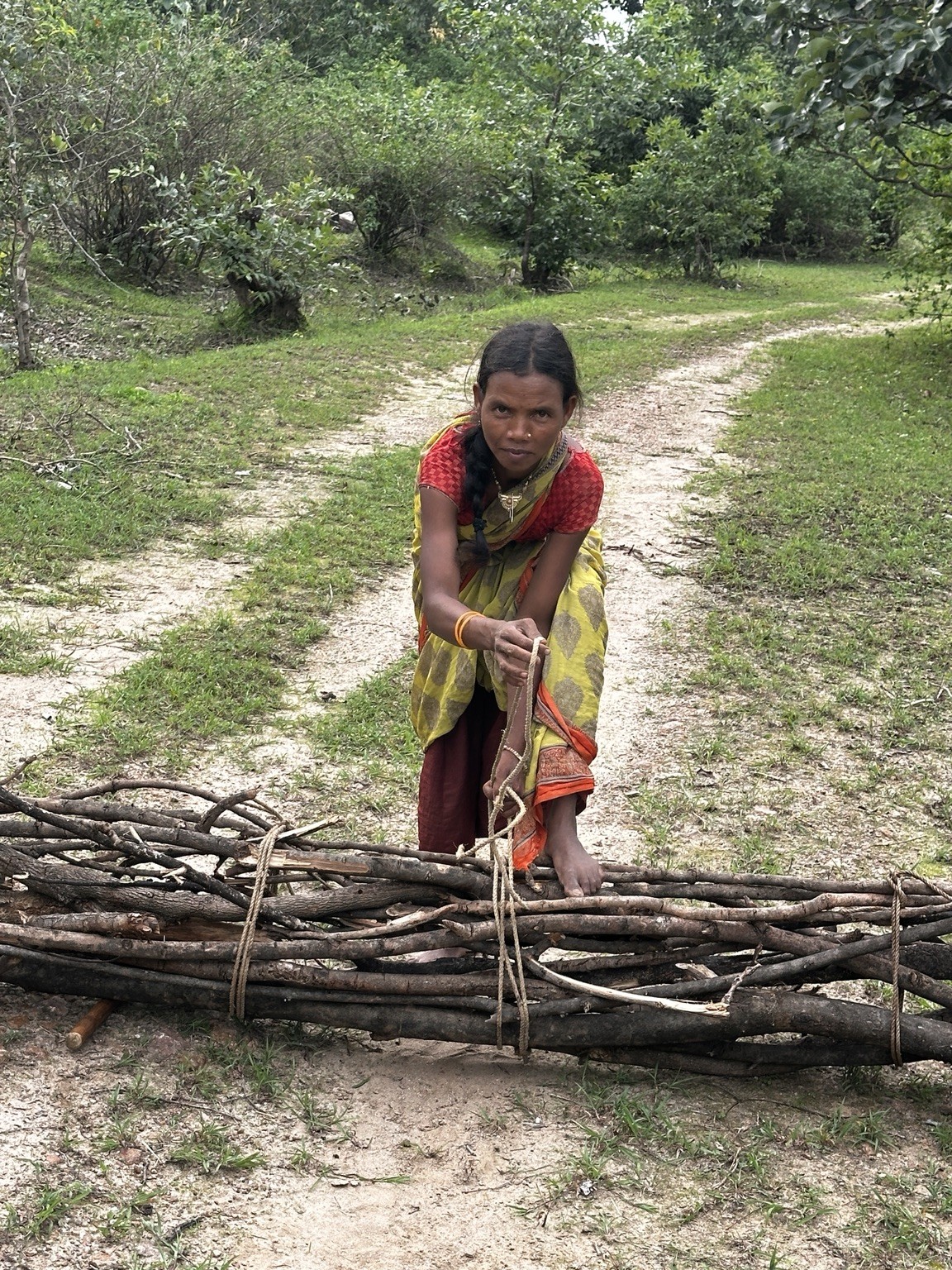
Planned training in plumbing, carpentry and electrical repair could prepare residents for work in homes and businesses. Housekeeping, spoken English for safari guides and drivers, and jeep maintenance could open up work with lodges, safari operators and local workshops.
WCCF is planning hands-on beekeeping training for villagers in Bandhavgarh, Sanjay Dubri and Pench. Participants would learn to set up and look after hives, harvest and handle honey safely, and prepare it for local sale. Training would also cover planting and caring for plants that provide food for bees.
Beekeeping is a planned vocational activity for villages around the proposed WCCF Community Centre near Tala. Managed hives could give families another way to earn from honey closer to home.
In the Baghela–Majhauli area of Sidhi district, WCCF proposes a dedicated beekeeping and pollination training centre. The concept includes a demonstration apiary and a pollinator garden for practical learning.
Beekeeping is also in planning for villages around Pench, alongside mushroom farming. Training in hive care and honey handling could give families another source of income close to home.
Income from managed hives could help some households make fewer trips into the forest to collect wild honey for sale.
Enquire about supporting the programmeWCCF is planning practical mushroom cultivation training for villagers around Pench. The proposed training would cover preparing the growing material, keeping the growing area clean, and harvesting, packing and selling mushrooms. The aim is to help households explore small-scale cultivation as an additional source of local income.
Protecting habitat means protecting an entire living system. Bandhavgarh’s forests, grasslands and streams sustain diverse wildlife alongside communities living and working in the wider landscape.
Conservation pressures rarely stop at a forest boundary. Livelihood insecurity and limited access to services are part of the same story. WCCF’s approach is to build practical opportunities and relationships that can support coexistence over time.
Support our work